
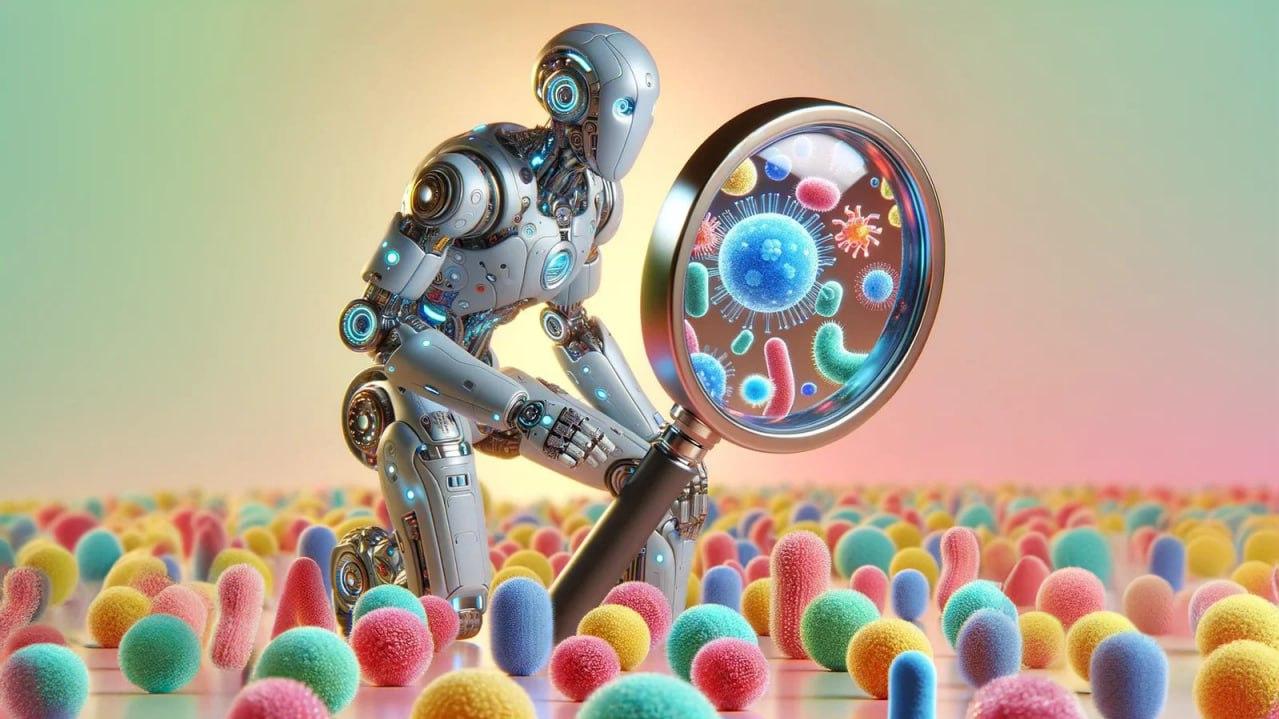
AI as a way to create alternatives to antibiotics
French startup Phagos is using artificial intelligence (AI) in an attempt to create an alternative to antibiotics, the World Economic Forum writes.
The misuse and overuse of antibiotics is driving a global crisis.
“Every time you use an antibiotic, which is a chemical molecule, and you keep using the same chemical molecule, bacteria evolve and they become resistant to this particular molecule,” co-founder and CEO of Phagos, Alexandros Pantalis, says.
As noted, Antimicrobial resistance (AMR) is one of the biggest threats to global public health; it causes more than 1.2 million deaths every year.
The startup participants have developed a new method to solve the problem: they decided to use bacteriophages. Bacteriophages, or phages are viruses that attack bacteria. They were discovered more than a century ago; they are the most abundant biological entities on the planet.
Pantalis says phages can do the same job as antibiotics. But finding the right phage to treat an infection is a huge challenge.
“There are around 1 trillion phages for every grain of sand. Most phages infect just one species of bacteria. So this diversity and specificity make them complicated to be used as antibacterials. But with the development in the biotech sector it is now possible to use them and develop personalized, highly efficient and sustainable alternatives to antibiotics,” co-founder and CTO of Fagos, Adele James, says.
“Imagine that there are more bacteriophages on Earth than every other biological entity combined. And you have to find the right one and put it in the right time in the right place to have a therapeutic effect,” Pantalis says, adding that testing every combination manually is impossible.
According to him, this complexity is one of the main reasons why phage therapy has not yet been sufficiently studied. Thus, the startup participants decided to use AI to find the most suitable combinations, then test them in the laboratory.
As noted, the company has run 11 clinical trials to date. It has treated more than 500,000 animals in France, significantly reducing animal mortality.