EU commissioner for enlargement says Middle Corridor must become a reliable alternative to other routes
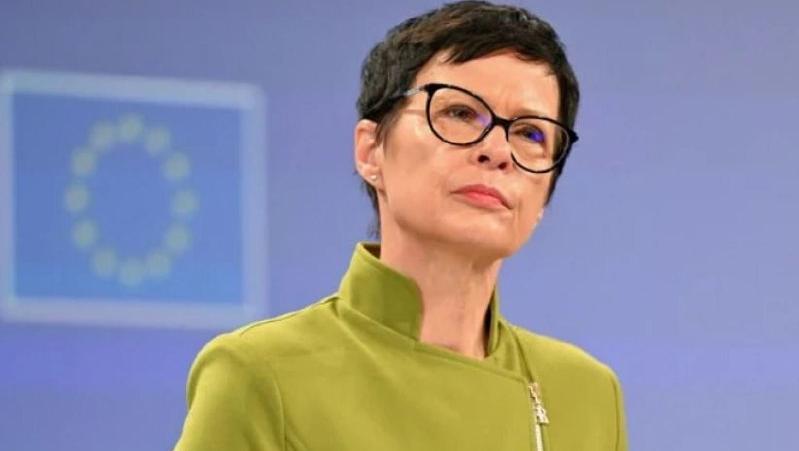
The European Union is committed to developing the Trans-Caspian transport route—also known as the Middle Corridor—as a reliable long-term alternative to the Northern Route. EU Commissioner for Enlargement Marta Kos stated this ahead of the Trans-Caspian Transport Corridor and Transport Connectivity Investors Forum in Tashkent.
“The Middle Corridor offers geopolitical and economic advantages to all countries along its path. It comprises a network of railways and ports connecting China, Central Asia, the South Caucasus, and the Black Sea to Europe,” Kos said.
According to her, freight volumes along the Middle Corridor have already quadrupled since 2022. “By 2030, they could triple again—provided that investments are directed toward expanding its capacity and removing existing bottlenecks. These issues will be at the center of discussions at the Tashkent forum,” the Commissioner noted.
She added that the EU’s own experience has shown how excessive dependence on a single country or source can create vulnerabilities. This may lead to energy blackmail, shortages of essential raw materials, or overreliance on digital technologies—factors that ultimately limit a country’s freedom of action. “Investments in transport infrastructure, as well as digital and energy connectivity, create more opportunities and reduce the risks of coercion,” Kos concluded.