Azerbaijan: The Price of Victory and the Silence of Dissent: Correctiv
For many in Europe, the image is all high-speed glamour: the thrilling turns of the Formula 1 Baku Grand Prix or the bright lights of Eurovision from years past. Yet, the reality inside this South Caucasus nation – nestled between Russia, Iran, Turkey, Georgia, and Armenia – is dramatically different, Correctiv writes.
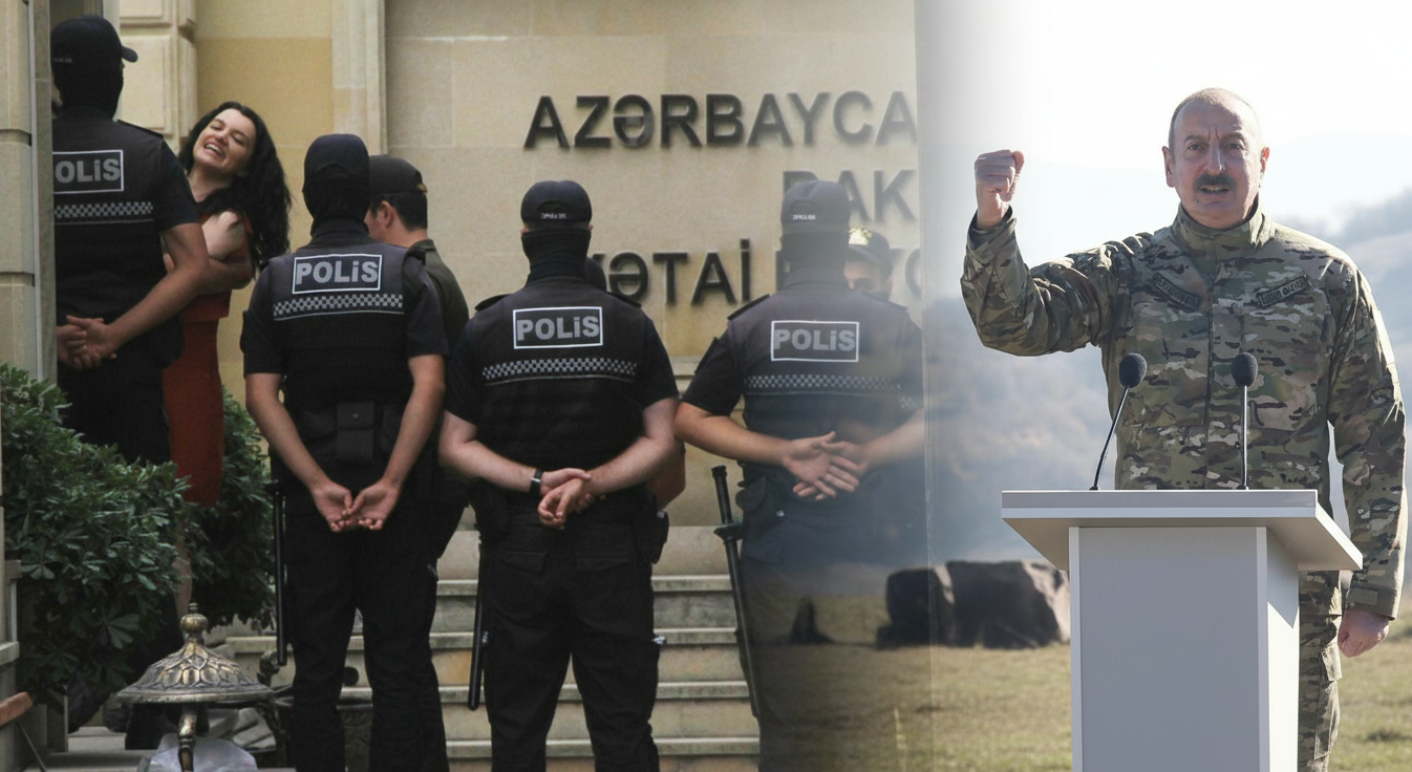
Despite presenting a modern image, it is, in reality, one of those countries where journalists and critics are routinely detained, persecuted, and punished for questioning the government.
The silence after the question was the real answer. The truth is, probably no one would dare to report. Or, if they did, the consequences would be ruinous—their lives, their freedom, destroyed. This silence actually tells you everything you need to know about modern Azerbaijan. It shows how the government has systematically tried to dismantle every single bit of independent reporting. Crucially, it speaks to the fact that when I was asked that question, the Azerbaijani independent media outlets no longer had newsrooms in the capital, Baku. They’d been forced to pack up and flee into exile, leaving dozens of reporters to figure out how to continue their jobs from abroad.
For over 30 years, the armed conflict over the mountainous enclave between Azerbaijan and Armenia served as the Azerbaijani government’s ultimate political shield. Any demand for democracy, transparency, or reform was instantly dismissed with the powerful counter-argument: “We must prioritize solving the occupied territories; democracy can wait.” The conflict was the nation’s main agenda, a convenient excuse that pushed political freedom off the table for decades.
Today, while the guns have largely fallen silent, the peace isn’t actually here. For the last couple of years, both Azerbaijan and Armenia have seemed constantly this close to signing a comprehensive peace treaty and finally normalizing their relations. Yet, despite almost five years of intense discussions, a signed deal remains elusive.
What has been achieved with a shared transit route and a proposed 17-point negotiated peace agreement is primarily initial agreement, which were brokered under the observation of the US president Donald Trump and allowed him to politically claim success, adding the countries to his list of places where he ostensibly “brought peace.” The repression wave in the county wasn’t of any importance for this self-proclaimed “peace president”.
Today, Azerbaijan has won the military fight, so that old excuse is gone. You’d think that would open the door for more democracy, but the opposite has happened.
The human cost is simple: Azerbaijan’s oil and gas wealth grants its rulers the power to act with impunity against their critics at home.