Continued unrest in Iran risks ripple effects beyond its borders, bne Intellinews writes
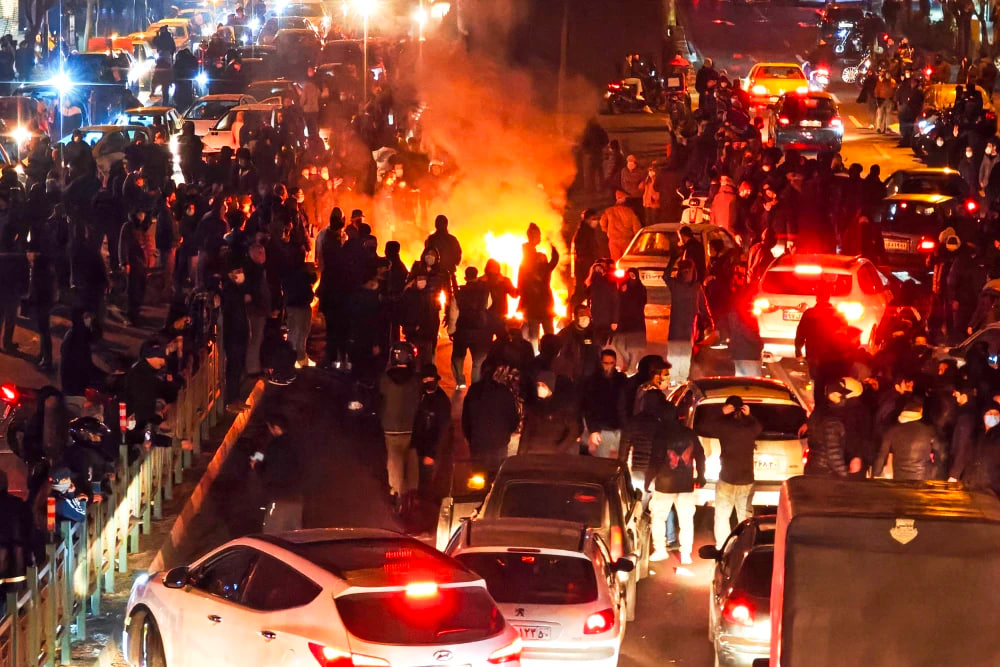
As Iran faces violent anti-governmental protests across major cities, officials across the border in Azerbaijan have refrained from commenting, bne Intellinews writes.
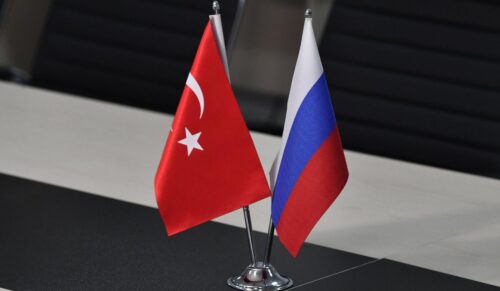
Like Iran’s other near neighbours Armenia, Russia and Turkey, Azerbaijan has adopted a cautious stance, avoiding condemning Tehran’s violent suppression of dissent.
This contrasts with the Western countries whose diplomatic statements are filled with an anti-Iranian regime narrative, providing support to protesters.
Azerbaijan and Turkey do not want to see further destabilization of Iran or a long-term conflict with the involvement of the US on their doorstep. The Trump administration’s potential intervention or indirect involvement in the current crisis in Iran could turn the country into another “failed state” with unpredictable regional impact.
As a part of additional measures in light of potential security challenges, Azerbaijan may further foster military partnerships with Turkey or Pakistan and seek additional alliances. Indeed, the current dramatic events in Iran contain high risks of greater destabilisation of the region.
In the event of persistent unrest, the ripple effects would extend far beyond Iran’s borders, reshaping the strategic landscape of the South Caucasus and the Middle East. The risks involve persistent instability along the borders with Iran, an increase in arms and drug trafficking, and the emergence of radical militant groups threatening critical regional infrastructure and border settlements.