TRIPP places US capital at the heart of South Caucasus geopolitics, Stratfor writes
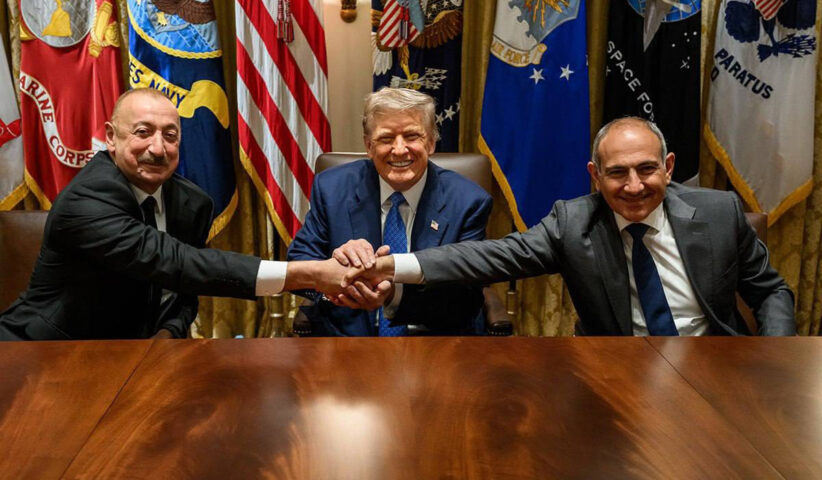
Foreign Minister Ararat Mirzoyan and U.S. Secretary of State Marco Rubio met in Washington and unveiled the implementation framework for TRIPP, signaling a significant strategic realignment by Yerevan and effectively nullifying a key provision of the Armenia–Azerbaijan ceasefire brokered by Moscow in 2020.
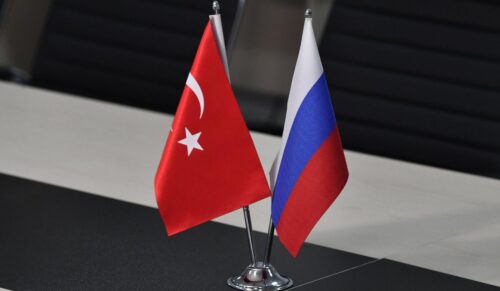
That provision had assigned control over regional transport links to Russia’s Federal Security Service (FSB), effectively replacing Russian security guarantees with a US commercial presence in the region, Stratfor writes.
According to the analytical center, if implemented, the introduction of US corporate interests into Armenia’s Syunik region along the border with Iran would serve as an economic deterrent against a renewed military confrontation with Azerbaijan, while simultaneously integrating Armenia into the Trans-Caspian trade network and global supply chains. This development could fundamentally reshape the security architecture of the South Caucasus by replacing traditional Russian and Iranian influence with Western economic infrastructure.
The move also creates a strategic window in which Russia’s prolonged war in Ukraine and Iran’s deepening internal instability are likely to limit their ability to respond immediately. Nevertheless, Moscow and Tehran are expected to employ hybrid disruption tactics ahead of Armenia’s parliamentary elections scheduled for early June.