As AI enters the operating room, concerns grow over potential risks
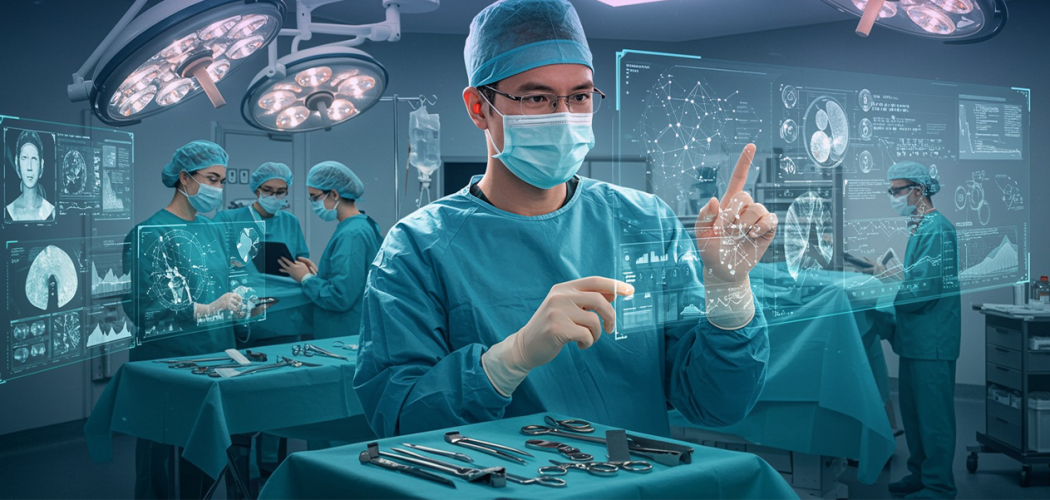
Medical device manufacturers are rushing to integrate artificial intelligence (AI) into their products. While supporters argue that the technology could revolutionize medicine, regulators are receiving a growing number of complaints involving patient injuries, Reuters reports.
AI is now embedded in a wide range of medical devices, with more than 1,350 approved in the United States alone. These include systems used during surgeries, heart monitors, and imaging equipment.
After AI was introduced into certain surgical navigation devices, the US Food and Drug Administration (FDA) received dozens more reports of problems than before. Some incidents reportedly resulted in serious injuries, including strokes.
Several lawsuits allege that safety standards were lowered after AI was incorporated in order to bring the devices to market more quickly. Companies involved in the cases deny that artificial intelligence caused harm, but the reports and legal disputes have raised concerns.
The problems are not limited to surgical tools. According to reports, some AI-powered imaging devices have misidentified body parts during fetal scans, while heart monitors have at times failed to properly detect irregular heart rhythms.
Reuters notes that the FDA and other regulatory agencies face multiple challenges in overseeing the rapidly expanding sector. Unlike new medicines, many AI-driven medical devices do not require clinical trials before receiving approval.
Although AI has potential benefits, experts warn that its rapid adoption without clear oversight could pose serious risks to patient safety.