Is the CIS collapsing? Russia’s partners move to exit its sphere of influence, Nezavisimaya Gazeta writes
Recent developments show that the situation in Russia’s border zone is changing. New priorities and new strategic partners are emerging in countries bordering Russia, Nezavisimaya Gazeta writes.
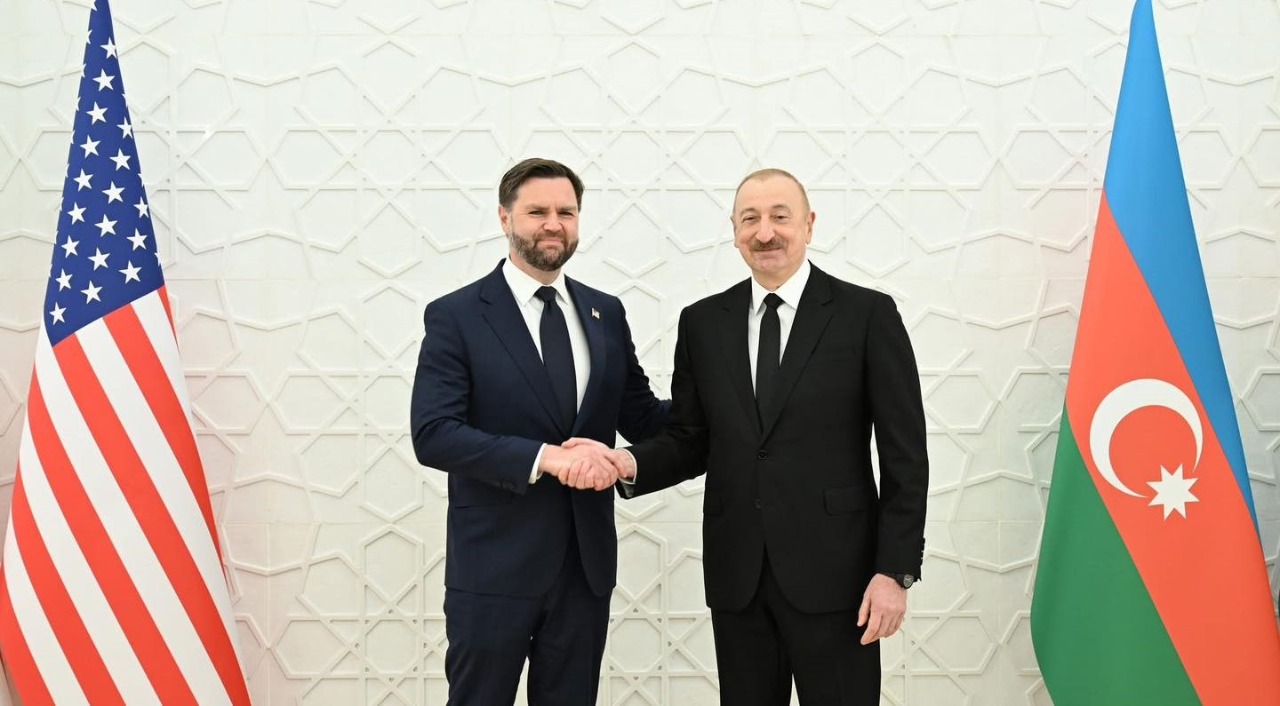
As noted, on Feb․ 10 in Baku, Azerbaijani President Ilham Aliyev and US Vice President JD Vance signed a strategic partnership charter between the governments of the two countries. By concluding this agreement, the United States strengthened its position in the South Caucasus and gained access to the Caspian Sea. The Americans secured Armenia’s consent for the construction of the Trump Route, which will connect Azerbaijan with Nakhijevan through Armenian territory. Yerevan secured US support in all areas of its integration efforts.
The Georgian government is ready to improve relations with the United States. This was stated by Georgian Prime Minister Irakli Kobakhidze during a meeting in Tbilisi with US Under Secretary of State for Civilian Security, Democracy, and Human Rights Uzra Zeya. During the conversation, Kobakhidze confirmed that Georgia is ready for reciprocal steps and for “pragmatic, rational, and fair approaches.” Thus, the South Caucasus is leaving Russia’s sphere of influence and entering the US sphere of influence.
NATO is now near Russia’s borders — in the Caucasus. At the same time, the EU is becoming more active in another region traditionally linked to Russia. On Feb․ 11, German Foreign Minister Johann Wadephul held a meeting in Berlin with the foreign ministers of Turkmenistan, Tajikistan, Kyrgyzstan, Uzbekistan, and Kazakhstan. The agenda included energy issues and the bypassing of anti-Russian sanctions. Berlin is trying to strengthen its presence in Central Asia, which is rich in gas, oil, and rare metals. Moreover, Germany and other EU countries are working to pull the region away from Russia’s influence. Kazakhstan, which borders Russia, is of interest not only to Europeans but also to the United States. Astana remains Russia’s partner, but it pursues an independent policy toward Western countries.
NATO, represented by the United States, is approaching Russia from Ukraine and the South Caucasus. And this territory, in essence, is no longer part of the CIS.