Armenia-Azerbaijan peace process incomplete and fragile, says Common Space
Armenia and Azerbaijan are on the path to peace, but the process is still far from complete or irreversible, writes Common Space.
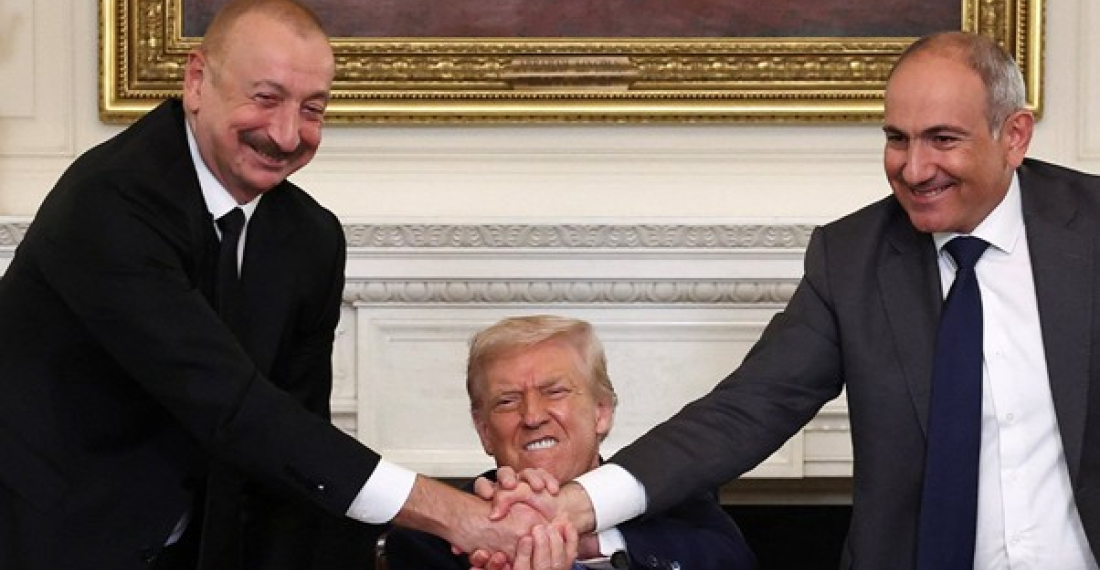
On Aug. 8, in Washington, in the presence of U.S. President Donald Trump, Armenia and Azerbaijan pre-signed a peace agreement. It has not yet been fully signed. That meeting was a game-changing event with the potential to alter the situation on the ground. However, now the hard work must begin, without assuming that all problems are resolved. The peace process remains incomplete and fragile.
Over the last three decades, Russia’s policy in the South Caucasus has been based on the assumption that Armenia and Azerbaijan are enemies who will never reconcile. Russia does not want peace between Armenia and Azerbaijan and will do everything to disrupt the process.
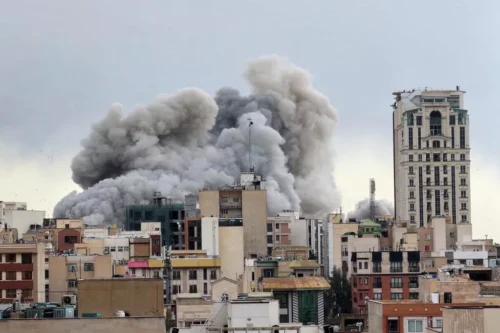
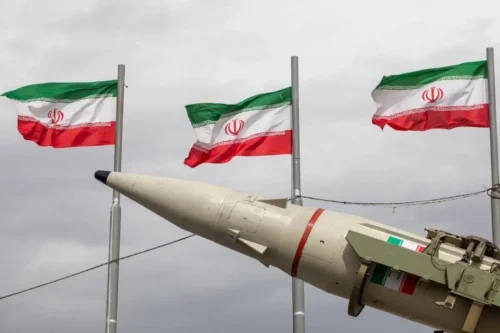
Iran is another external challenge to the peace process, but it has fewer tools in Armenia and Azerbaijan than Russia. Nevertheless, both Russia and Iran are currently preoccupied with their own problems. This does not make them less dangerous, but it gives Armenia and Azerbaijan space to manage the situation themselves.
Many people in both Armenia and Azerbaijan do not believe in peace and reconciliation.
According to the article, the European Union did not anticipate Armenian-Azerbaijani peace and reconciliation. In the South Caucasus, the EU must act more swiftly. At the same time, the EU has its own approach, developed not arbitrarily but in response to the rapidly changing realities of the region today.
As noted, U.S. involvement will be unstable and potentially counterproductive, while the EU has a special envoy for the South Caucasus. Magdalena Grono is described as the right person in the right place — she understands the region and its complexities, and her mandate should be strengthened.
Since 2010, the EU has played a leading role in civil society programs aimed at improving Armenian-Azerbaijani relations. However, these programs are increasingly burdened by bureaucracy and inflexibility, and a new approach is needed.
Time, however, is a luxury the EU does not have. If it wants to support the peace process between Armenia and Azerbaijan, it must act now.