Armenia enters 2026 facing polarization and ambiguity: ISPI
The year 2026 could be crucial for Armenia, significantly influencing both the foreign and domestic policy trajectory of the country. Externally, the main developments to monitor are the Armenia-Azerbaijan and Armenia-Turkey normalization processes, Italian Institute for International Political Studies– ը (ISPI) writes.
As it is noted, the realization of the Washington Declaration’s goals depends more on Azerbaijan than Armenia. On its side the Armenian government has agreed to close the chapter of Nagorno-Karabakh and refrain from raising the issue of the rights of ethnically cleansed Nagorno-Karabakh Armenians, has publicly rejected any military option to remove Azerbaijani troops from occupied Armenian territories, and is even removing the picture of Mount Ararat from its border crossing stamps, allegedly, so as to avoid stirring emotions in neighboring countries.
Meanwhile, Azerbaijan continues to refer to the Trump Route for International Peace and Prosperity (TRIPP) as the so-called “Zangezur Corridor and to depict Armenia as part of the “historical lands of Azerbaijan”. Additionally, Azerbaijan has increased its military budget for 2026 and maintains the imprisonment of several peace activists. Baku is also preventing full normalization between Armenia and Turkey, insisting that it should happen only after the signature of Armenia-Azerbaijan peace agreement. Azerbaijan uses its economic leverages – such as the supply of natural gas, the Azerbaijani investments in Turkey, and the motto of “One nation, Two states,” -to influence Turkish decision making on Ankara’s relations with Yerevan.
If Azerbaijan takes genuine steps toward peace and restoration of all regional communications- including allowing an Armenia-Iran connection via Nakhijevan and an Armenia-Russia link directly through mainland Azerbaijan, rather than through the Armenia-Georgia-Azerbaijan-Russia route, there is a real possibility that, through a long and painful process, Armenia and Azerbaijan could eventually normalize their relations. Otherwise, the two countries will remain trapped in a cycle of conflict, instability, and mutual distrust.
Another significant development in Armenian foreign policy to monitor in 2026 is Yerevan’s relations with the European Union. There is a lack of clarity around the future of Armenia-EU relations, and greater clarity could pierce after the June 2026 elections. Armenia has not officially applied for EU membership.
Relations with Russia are another important direction of Armenian foreign policy. Over the past few years, relations with Russia have become ambiguous. Moscow remains Armenia’s military ally on paper, but in recent years relations have shifted from strategic alliance to troubled partnership. The Washington Declaration will probably add an additional layer of complexity and uncertainty into bilateral relations. Russia’s potential actions to influence the June 2026 parliamentary elections in Armenia may complicate the situation further. Meanwhile, the short-term increase of Russian involvement in Armenia depends on the course of war in Ukraine. If the war continues over the next six months, Russia will not be able to deploy significant resources towards Armenia ahead of the June 2026 elections.
In Armenia’s domestic politics 2026 will be a tense year too. Armenia will hold parliamentary elections in June 2026, which will determine the future trajectory of the country for the next five years. Elections will take place in a polarized environment, and this will only increase as the election day approaches.
The ruling party will probably rely on two primary advantages in the election: the improvement of the socioeconomic situation, especially in the regions, and what the governments presents as the establishment of peace with Azerbaijan and the end of decades-long conflict.
Some issues can further deepen the polarization. Parts of Armenian society argue that the country should not, and cannot, forget the 33-year history of the self-proclaimed Nagorno-Karabakh Republic and the ethnic cleansing of Armenians by Azerbaijan. They claim that Armenia should raise the issue of Nagorno-Karabakh Armenians’ rights in international fora, including the right of return.
Another dividing line ahead of elections is the foreign policy direction of Armenia. Pro-government circles speak about the necessity of deepening relations with the EU and the US, and accuse Russia of waging hybrid war against Armenia. The opposition argues that in the South Caucasus Turkey is the main representative of the West and therefore any policy aimed at bringing Armenia closer to the West effectively brings it closer to Turkey – turning Armenia into a de facto “Turkish vilayet”.
In recent months, the government launched a campaign against the leadership of the Armenian Apostolic Church.
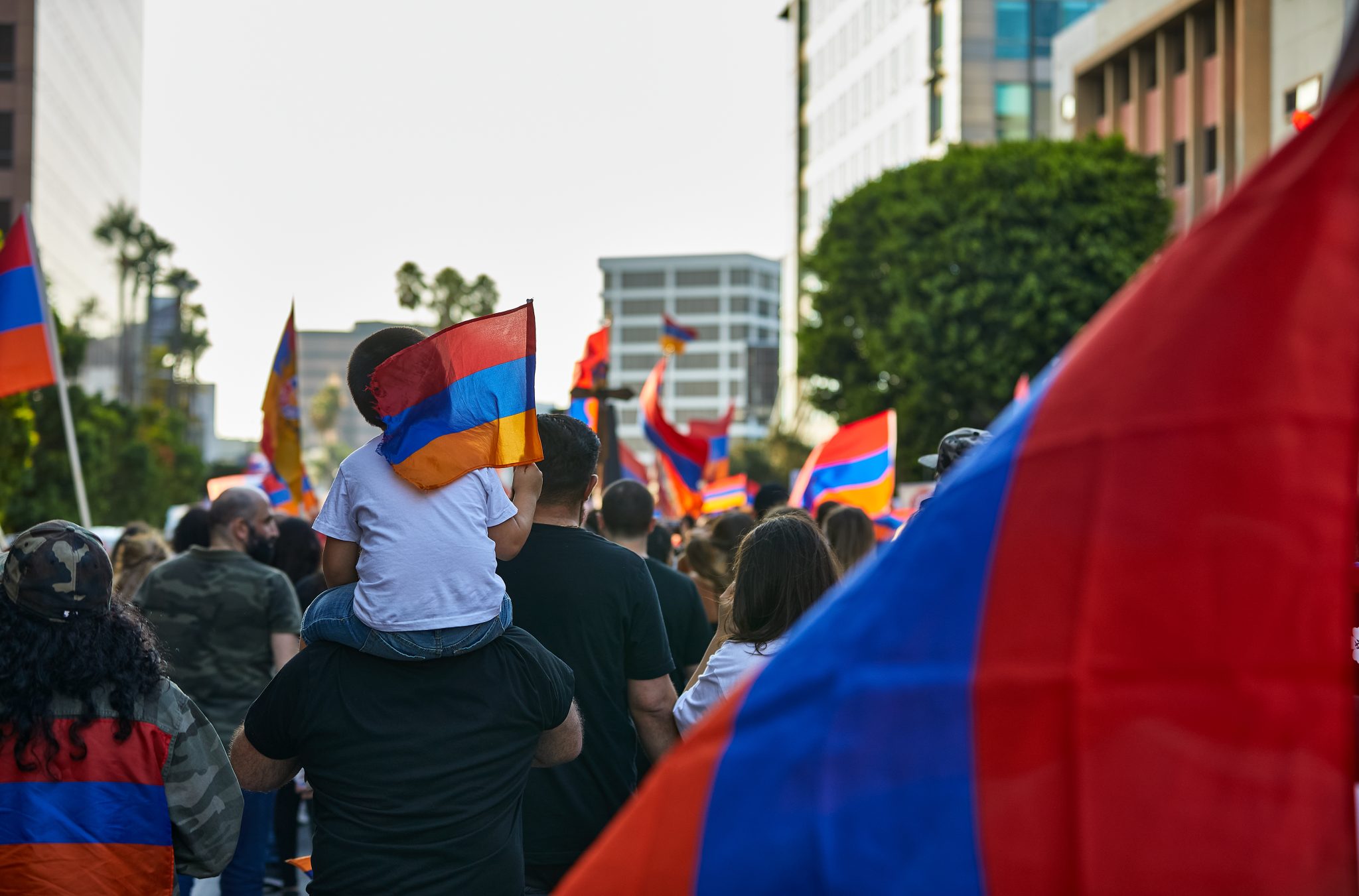
Given the Armenian Apostolic Church’s historical legacy in Armenian identity and the preservation of the millennia-long history of the Armenian nation, the government’s actions provoked a backlash both in Armenia and the Diaspora, contributing to the further polarization of the society.
Armenia enters 2026 facing polarization and ambiguity. The choices made by the Armenian elites and wider society will influence the country’s development in the coming years and may determine Armenia’s foreign and domestic trajectory. The country’s partners should watch these developments carefully and seek to steer Armenia toward internal cohesion and external stability.