Unresolved issues of displaced Artsakh residents could become an ‘unhealed wound’ before elections, Crisis Group writes
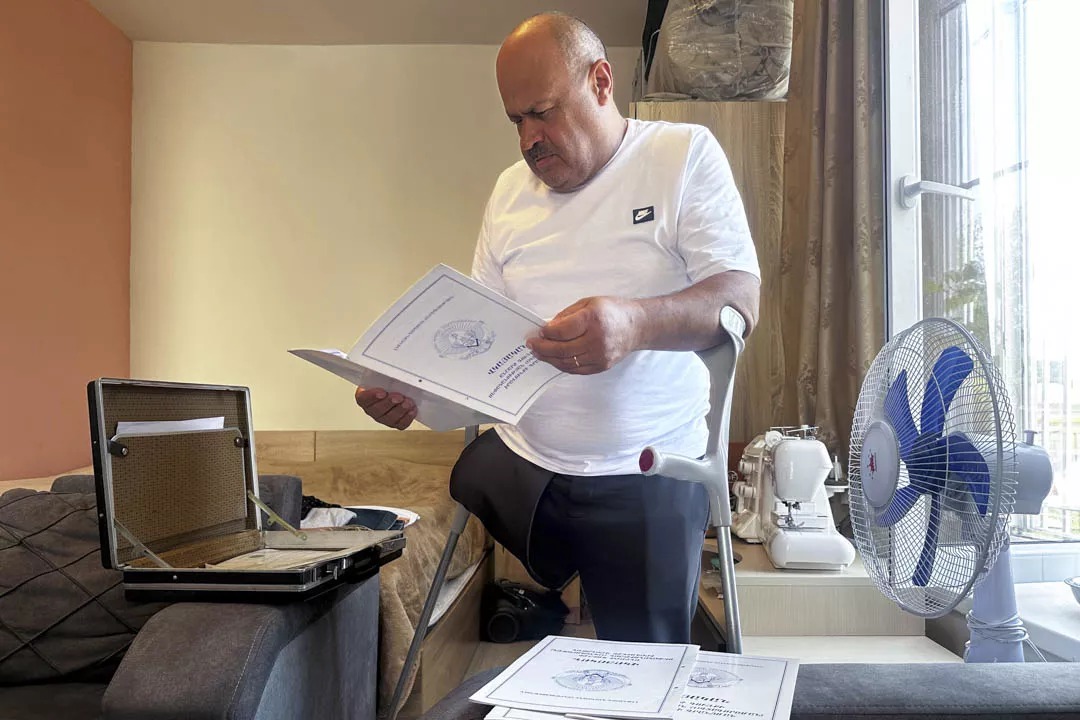
While the Armenian government successfully handled the initial influx of Karabakh refugees, the difficulty of integrating them more fully into Armenia has become a source of political friction, Crisis Group writes.
As noted, tensions have been on the rise as the safety net for refugees frays. Opponents of Prime Minister Nikol Pashinyan have attempted to use the plight of refugees as a tool in their struggles with him, leading to a furious reaction from the ruling party. Pro-Pashinyan media and some of his political allies have harshly criticized Karabakh Armenians, accusing them of being ungrateful pawns of the Armenian leadership’s political enemies.
As part of the negotiations, Pashinyan has renounced any Armenian claim to Karabakh and avoided issues related to the displacement of Karabakh Armenians, such as their rights to the homes, cultural heritage and graves they left behind. But the rush to peace has left Karabakh refugees feeling abandoned – economically, politically and morally. If these tensions remain unaddressed, the displacement from Karabakh will remain an open wound in Armenian politics and society.
The refugees also are contending with social tensions. Despite Armenians’ strong cultural and historical attachment to Karabakh, the influx of refugees stirred up latent resentment among Armenians from Armenia about the centrality of Karabakh in their politics.
Officials in the government, Pashinyan’s Civil Contract party and media connected to the ruling party have echoed the negative rhetoric. Officials have claimed that refugees are insufficiently grateful to the Armenians who received them in 2023 and argue that refugees who express discontent are political “cannon fodder” being manipulated by the opposition and Russia.
Many expect the tensions to escalate ahead of the 2026 parliamentary elections. It is unlikely that refugees will sway the polls. Nonetheless, their arrival to Armenia in 2023, as one report put it, “intensified political insecurities among the ruling elite who feared that the refugees, having lost their homes and livelihoods, might mobilise politically to demand rights or recourse for the loss of their homeland”. Ruling-party officials and their supporters express fear that an alliance of the opposition, refugees and Russia represents a threat to their rule – and, by extension, to the peace process with Azerbaijan. That, however, is highly unlikely. Beyond their small numbers, the refugees are largely politically apathetic.
Armenia’s willingness to renounce territorial claims on Karabakh has helped the prospects for peace in the Caucasus, but the process has left former residents of Karabakh feeling stranded. The displacement may become an unhealed wound.