Peace in words: Aliyev talks peace while preparing for war, Kommersant writes
In 2025, the South Caucasus witnessed a long-awaited development that brought the region closer to resolving one of the longest-running post-Soviet conflicts: Armenia and Azerbaijan finally agreed to sign a peace treaty. Rather than assigning the role of chief mediator to Moscow, Yerevan and Baku turned to Donald Trump, who unexpectedly showed interest in the region.
Despite this progress, the leaders of Armenia and Azerbaijan gave no indication of when the treaty would be formally signed, instead using the development to advance their own agendas—or at least attempting to do so, reports Kommersant.
Previously signed agreements were largely ignored, and after decades of joint consultations and trilateral discussions, Armenia and Azerbaijan effectively sidelined Russia from the peace process.
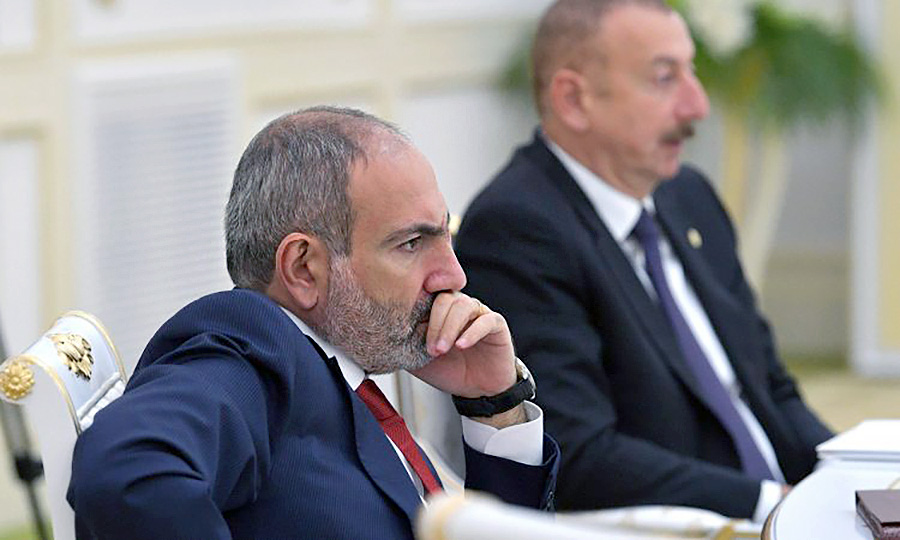
According to Azerbaijan, the main obstacle to signing the peace treaty for many years was Armenia’s constitution. Prime Minister Nikol Pashinyan has repeatedly spoken about the need to amend the constitution, stressing that this is not in response to Azerbaijan’s demands but rather reflects Armenia’s desire to adapt to new geopolitical realities.
However, Pashinyan’s options are limited. Any constitutional amendment would require a referendum, which, even if held, would not take place until the summer of 2026, when parliamentary elections are scheduled in Armenia. Given his already low approval ratings, it is unlikely that Pashinyan’s government would hold a referendum on such a contentious issue before the vote.
For now, Pashinyan is making significant efforts to present the agreed-upon peace treaty as a major achievement and position his government as its guarantor.
At the same time, Ilham Aliyev states that even if peace is established in the region, the country will never cease preparing for a possible war. The main agreement—peace—has yet to be formalized, and the process appears likely to be delayed indefinitely.