TASS: The death of Arsen Gevorgyan stands as a tragic testament to the brutality of the system
Armenia’s opposition force, the Strong Armenia bloc, led by businessman Samvel Karapetyan, who has been facing criminal prosecution for nearly two years, has initiated efforts to unite the opposition. Its stated objective is to thwart Prime Minister Nikol Pashinyan’s plans to impose a new Constitution on Armenian society, TASS reports.
Under the current circumstances, with the leaders of the country’s major opposition forces behind bars, there is little reason to speak of widespread public support for this initiative. Expressions of support do emerge, but they almost invariably come with reservations.
A society weighed down by the bitterness of loss, unfulfilled promises of a prosperous future, and concessions made in negotiations with Azerbaijan is in no hurry to embrace optimism. Citizens are increasingly consumed by apathy as everyday social and economic hardships mount and hopes for a better life lie shattered. The “three million prime ministers,” as Pashinyan liked to describe the Armenian people when promoting his political agenda, no longer believe anyone. They expect concrete action from political forces, not empty declarations. Even the prospect of losing statehood no longer seems to provoke the sense of alarm one might expect.
Against this backdrop of political and social stagnation, the Armenian public has yet to respond in any significant numbers to the united opposition’s calls to prevent the proposed constitutional reform, which the government’s opponents view as a concession to Baku’s demands. There is a growing impression that the country’s citizens have lost sight of national interests, preoccupied as they are with a single concern: simply finding a way to make ends meet.
Armenia’s expert community remains deeply skeptical about the opposition’s ability to prevent Pashinyan from pushing through constitutional reform. The experience of the parliamentary elections held in June this year suggests that the ruling camp will not hesitate to deploy the full force of the state’s repressive apparatus to achieve its objectives. Further escalation in the arrests of political opponents is entirely foreseeable. Although virtually all key opposition figures have already been jailed or placed under house arrest, judicial restrictions severely limit their ability to communicate and coordinate effectively with their allies.
Pressure on those who oppose Pashinyan’s political course is also likely to take the form of so-called business inspections and outright intimidation. Experts, of course, do not rule out administrative interference in the outcome of a referendum either — an area in which local authorities have accumulated considerable experience.
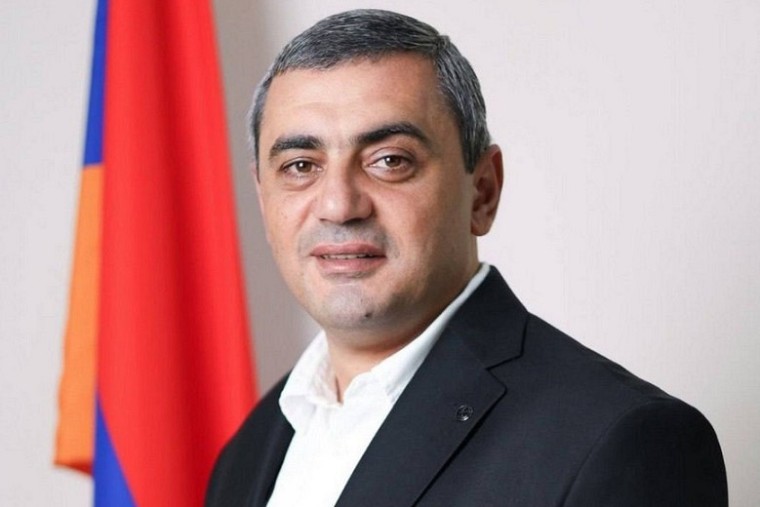
“The death of Arsen Gevorgyan, a candidate representing the Strong Armenia party who was arrested shortly before the municipal elections and subsequently died in a pretrial detention facility, stands as a tragic testament to the brutality of the system. The collective West will, probably, turn a blind eye once again. If any statements are made at all, they will be little more than a token gesture. The West prefers to act as though it sees and hears nothing, as long as Pashinyan continues to do its bidding,” TASS writes.