EU’s “spoiled child has become the new sick man of Europe
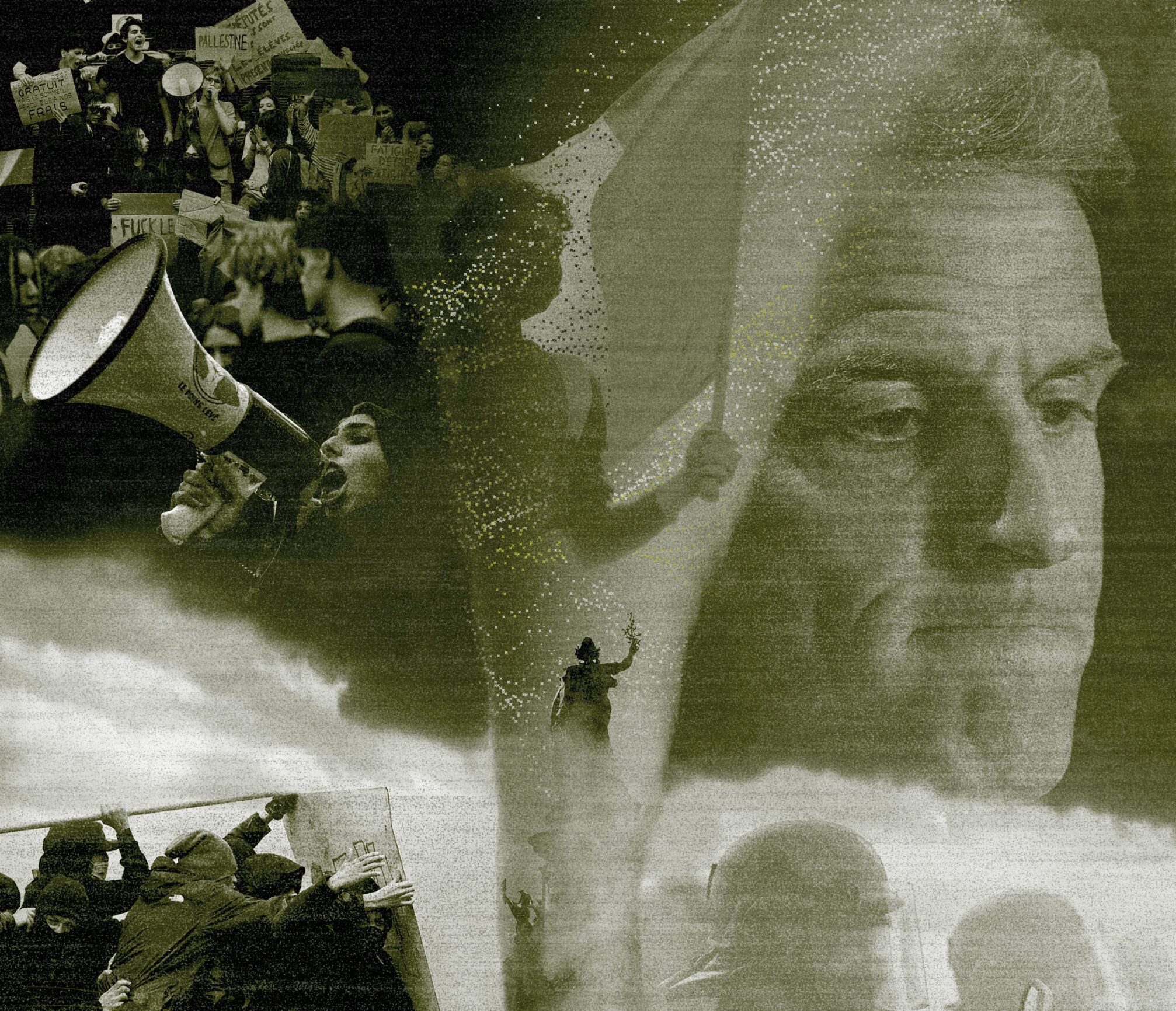
After two weekends that saw hundreds of thousands of protesters hit the streets demanding the government increase teacher salaries, fix run-down schools and help subsidize the rapidly rising cost of living, the European Union’s second-biggest economy is being dragged into a vicious cycle of twin fiscal and social crises that are fueling each other, POLITICO writes.
“France is on the brink of a financial crisis. We need to send a signal to the markets,” former Prime Minister Michel Barnier told POLITICO.
Authorities were able to prevent the type of rioting and looting this past weekend that marked the first round of demonstrations Oct. 17-18, but financial markets are spooked. Even before the demonstrations began, investors were dumping French debt or demanding historically high returns because of the government’s failure to significantly cut a stubbornly high budget deficit, bring down €3.5 trillion of debt, jumpstart growth and reform an unsustainable pension system.
The rioting, for now, is estimated to have cost tens of millions of euros, much of which will be covered by insurance. But the chaos is pouring fuel on an already explosive situation by sending worrying signals to investors, especially if the civil unrest continues.
Given that current Prime Minister Sébastien Lecornu’s proposed budget for 2027 already includes €43 billion in savings, leaving little room for more cuts, the government is faced with an impossible choice: Borrow more money and saddle the next generation with billions of euros in interest payments, or hope the protests die out on their own.
Mario Monti, who faced a similar situation as Italian prime minister and managed to avert a financial crisis in 2011 with spending cuts and a pension reform, told POLITICO that “things can go very fast.”
France has long been seen as the EU’s “spoiled child,” Monti said, taking advantage of its political and economic weight to bend or break the bloc’s fiscal rules. But few had thought a country that big and powerful would end up on the front line of a European debt crisis.
According to a poll last month, 9 out of 10 French people are pessimistic about the future and believe their children will be worse off than themselves. A pan-European study conducted earlier this year found that only half of French respondents feel pride in the democratic system, compared to two-thirds of Germans and close to 70 percent of Britons.
That pessimism has pushed voters toward more extreme candidates like Le Pen — whose economic platform has been panned by some economists as unrealistic and unserious — and Mélenchon, who wants to set French debt “on fire.” According to POLITICO’s Poll of Polls from earlier this month, Le Pen enjoys the support of 34% of voters while Mélenchon has 15% — meaning nearly 50% of the electorate intends to vote for an anti-establishment figure.
The officials, lawmakers and diplomats POLITICO spoke with all agreed that France was not at risk of a Greece-like scenario forcing the government to stop paying officials and creditors. But it could very well experience a crisis similar to the one in Italy when Monti replaced Silvio Berlusconi in 2011.