Netanyahu’s last battle: Israel prepares for parliamentary elections
On October 27, three years after Hamas’s deadly October 7 attack, Israel will hold parliamentary elections that many consider among the most consequential in the country’s history. The vote will not only determine the political future of Benjamin Netanyahu and his opponents, but also reveal what Israeli society wants after the military and political upheavals it has endured, the BBC reports.
Most experts agree that, since October 7, the political contest is no longer primarily about left-wing versus right-wing ideologies, as the left has become significantly weaker in Israeli politics.
In this election, Israelis will largely be voting for a leader capable not only of proposing a new security strategy — the central issue on Israel’s domestic agenda — but also of addressing a number of questions that have been building up in society: How was the October 7 massacre possible in the first place? Who will be held accountable? And what does the future hold for the country’s democratic institutions?
A total of 37 parties are competing for the 120 seats in the Knesset. Only around 11 are expected to clear the 3.25% electoral threshold and enter parliament. The next challenge will then be for one candidate to form a viable governing coalition. A party or bloc needs 61 seats to secure a parliamentary majority.
In principle, the leader of any party that clears the electoral threshold can become prime minister, provided they can form a coalition backed by a majority of Knesset members. In practice, however, the leader of the party that wins the most seats is usually given the first opportunity to form a government.
A power-sharing arrangement under which the prime minister’s position rotates between two leaders may also be considered, depending on the terms of any political agreement.
Benjamin Netanyahu is entering the election campaign relying on a tried-and-tested strategy that has helped him win elections for decades. This time, however, many experts believe it may not be enough.
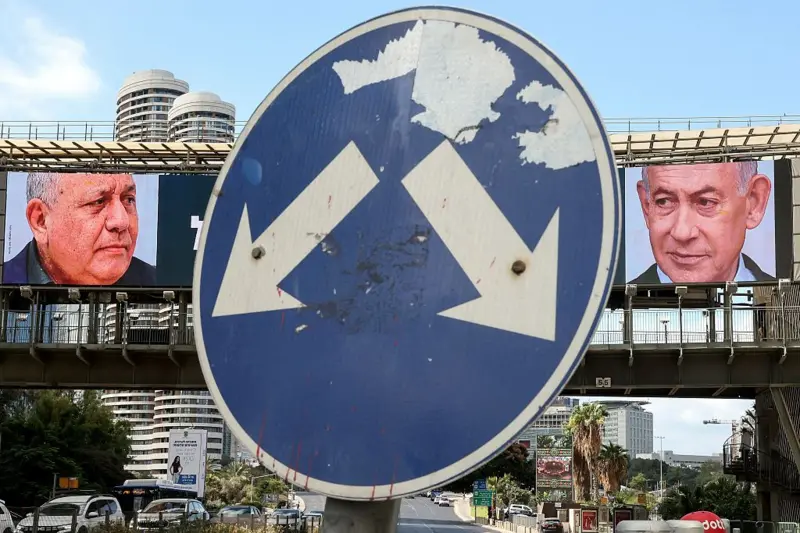
Netanyahu and his far-right coalition now face their main challenge from Gadi Eisenkot, leader of the Yashar (“Forward”) party. Parties from across the political spectrum — right-wing, left-wing and centrist — are already prepared to join forces with him, united by their desire to remove Netanyahu from power.
Many regard Eisenkot as Netanyahu’s most serious challenger in decades. A centrist with a right-leaning stance on security, he could win over part of Bibi’s traditional voter base — voters who have long wanted an alternative within their own ideological camp.
Eisenkot, who advocates holding those responsible to account, political reform and national unity, has sharply criticized Netanyahu’s leadership both before and after Hamas’s October 7 attack.
While supporting Israel’s military operations, he argues that the government lacks a clear strategy and calls for an independent inquiry into the failures surrounding the October 7 attack.
Gadi Eisenkot, 66, is a former chief of staff of the Israel Defense Forces. Colleagues describe him as a serious, outspoken man who is not adept at political maneuvering.