Al-Monitor: Inside Turkey-Azerbaijan tensions over headscarves, Armenia and Israel
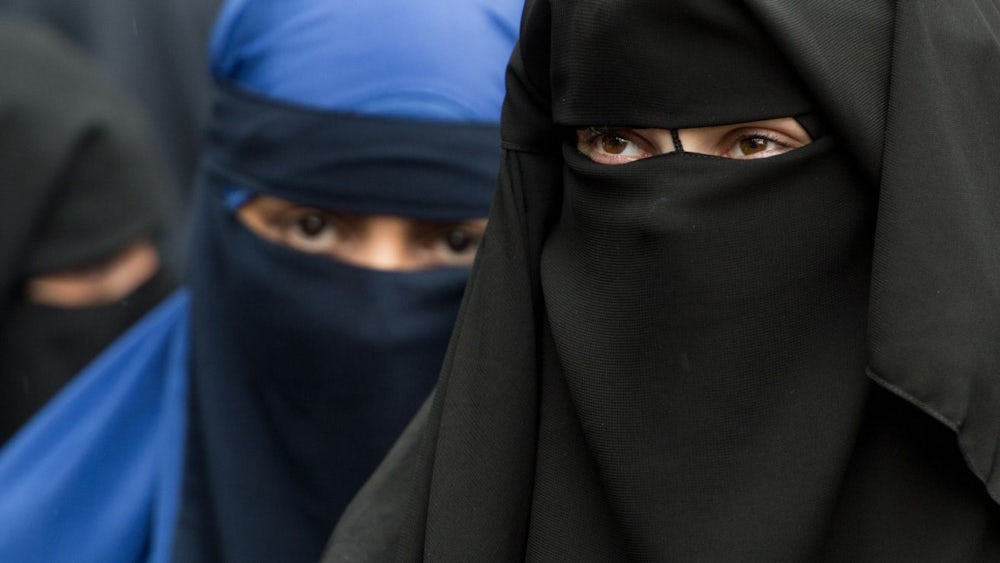
Tensions between Turkey and Azerbaijan have eased, at least publicly, following a dispute over headscarves, but the episode exposed simmering disagreements over interference in domestic affairs, relations with Armenia and Baku’s close ties with Israel, Al-Monitor writes.
The crisis eased only after Erdogan paid a Nov. 8 visit to Azerbaijan, where he and Aliyev publicly reaffirmed their close ties. Subsequently, Aliyev attended the COP31 gathering in Antalya on Nov. 11.
“Neither the Turkish side nor the Azerbaijani side managed this crisis well,” Nazim Jafarov, deputy director of the Caucasian Center for International Relations and Strategic Studies (QAFSAM), a Baku-based think tank, told Al-Monitor.
While Ankara and Baku have disagreed on numerous issues in the past, they have rarely traded such public rebukes.
According to Jafarov, Baku views religious issues through a national security lens rather than one of religious freedom.
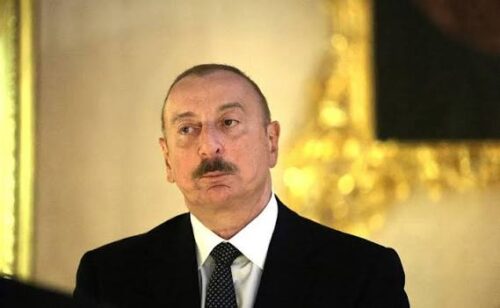
Baku also views Turkish criticism as an attempt to play "big brother" and dictate its internal policy. Amid the tensions, Aliyev issued a thinly veiled warning to Ankara on Oct. 2, telling unnamed outsiders not to “interfere in our affairs” or “tell us what to do.”
Another grievance in Baku is Turkey’s ongoing normalization efforts with Armenia, Azerbaijan’s longtime adversary. While Ankara has conditioned full normalization on a comprehensive peace deal between Armenia and Azerbaijan, Turkey and Armenia have gradually improved ties — including moving toward reopening their shared border.
Turkey also harbors frustrations with Baku. Speaking to Al-Monitor on condition of anonymity, a Turkish national security source described one of them as “Azerbaijan’s excessive interference in Ankara’s normalization efforts with Armenia.”
Azerbaijan opposes opening the border before diplomatic relations are established. Ankara, meanwhile, seeks to reopen the border with Armenia to boost trade and revive the economies of its border provinces.
Meanwhile, Turkish officials have publicly avoided criticizing the close ties between Baku and Israel. However, Turkish officials expressed their dissatisfaction when Israeli President Isaac Herzog arrived in Baku on an Azerbaijani commercial flight.
Despite their grievances, the swift evaporation of the crisis showed that Turkey and Azerbaijan have too much at stake to allow a deeper crisis in ties.
Turkey has substantial economic and energy interests in preserving the relationship.
Azerbaijan, which maintains a conscription-based military, has spent more than a decade modernizing its largely Soviet-era arsenal. Turkey has supported that modernization through military training, joint exercises and military sales in adapting Azerbaijani armed forces to NATO standards. Ankara also supplies Baku with armed drones and precision-guided weapons, including Bayraktar TB2 drones used to strike Armenian air defenses during the 2020 war with its neighbor.
Under a 2021 defense agreement, the two countries committed to provide military support and assistance in the event of threats to either country’s security.
The energy relationship also works both ways: Turkey is a crucial transit route for Azerbaijan’s exports, with the Baku-Tbilisi-Ceyhan pipeline carrying its oil to international markets and the Trans-Anatolian Natural Gas Pipeline (TANAP) transporting its gas toward Europe.