Kallas: EU views South Caucasus as part of strategy to diversify ties
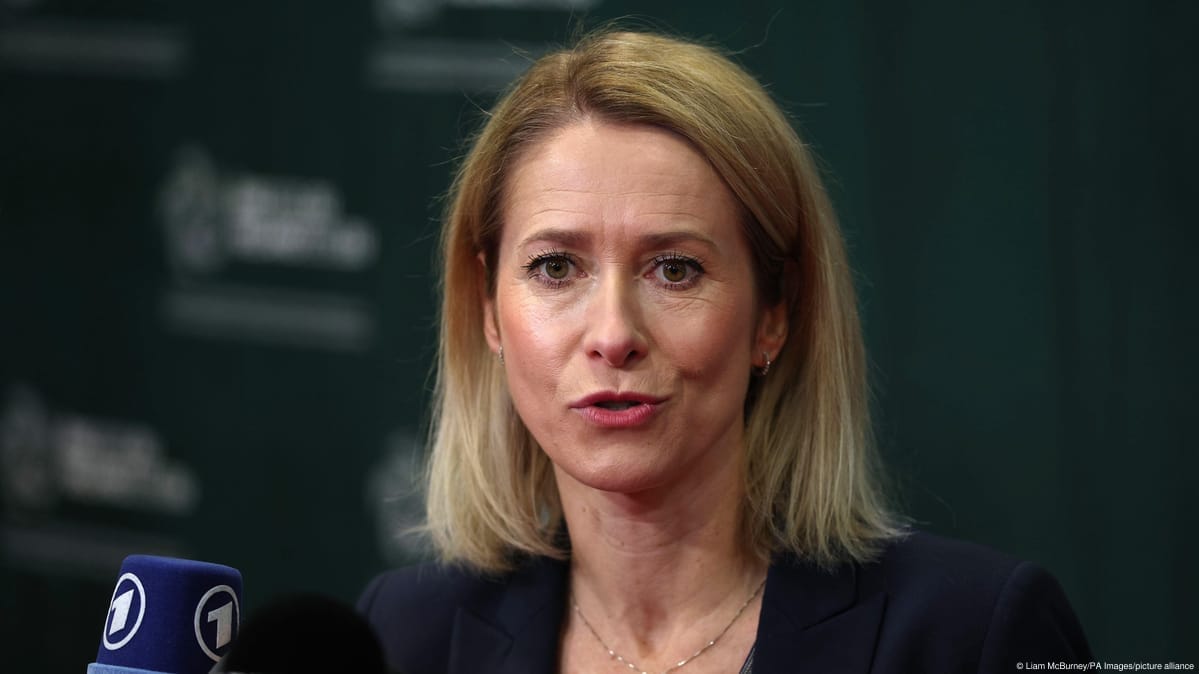
The EU views the development of alternative transport, energy, and digital routes through the South Caucasus and Central Asia as an important part of efforts to diversify ties between Europe and Asia amid the blockage of major maritime routes, EU foreign policy chief Kaja Kallas told․
"We see the blockade of the Strait of Hormuz, which means that - and also the blockade of the Black Sea corridor, now also Bab-el-Mandeb - which means that all the countries are looking for trade corridors that are alternatives to those that already exist. And there, I mean, connecting Asia with Europe, there the Central Asia, South Caucasus, and Black Sea countries are really of great importance. We are discussing energy connectivity also to have alternatives for energy. We are discussing, you know, the digital connectivity because everything is dependent on the digital connections at the moment. We really feel that this is mutual for the partners of the region, as well as for us to have alternatives and develop this further," the EU foreign policy chief noted.
She emphasized that the diversification of ties meets the mutual interests of the European Union and its partners.
The ministerial meeting on cross-regional security and connectivity is taking place today in Brussels following the EU Foreign Affairs Council meeting, with the participation of representatives from the South Caucasus, Central Asia, Moldova, Türkiye, and Ukraine.
This is already the second meeting in this format․
The discussions focus on the development of transport, energy, and digital links, as well as issues of regional security.