Известия։ Unforeseen Obstacles: Why the trial of the church head in Armenia is stalled?
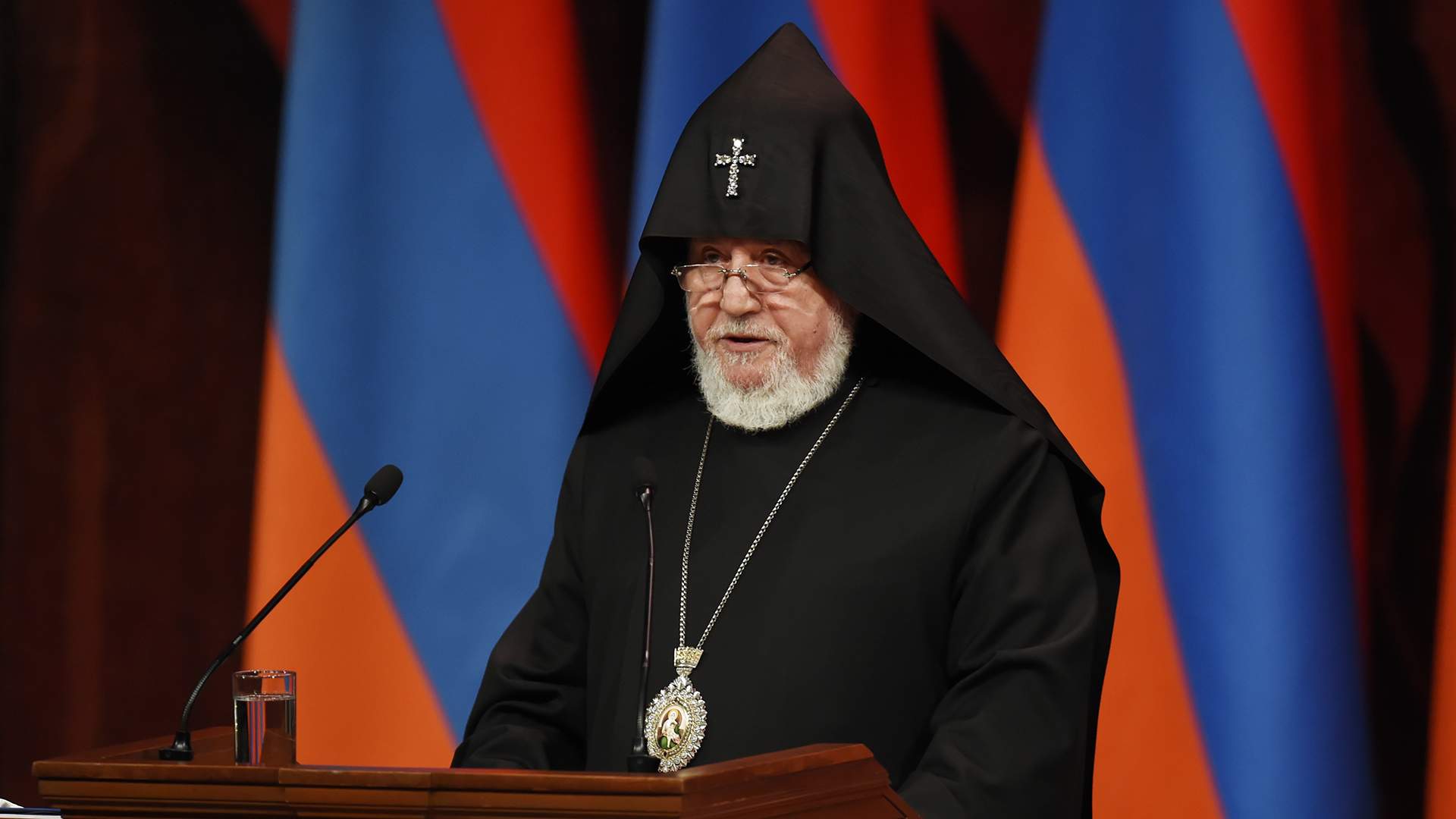
The judicial process against Catholicos Garegin II and six bishops is stalling in Armenia. Over the past month and a half, the case has been passed around among four different judicial bodies, and prosecutor Khachatur Galstyan has also tendered his resignation. Meanwhile, experts believe that the secular authorities will not back down and will push for a guilty verdict, Известия writes.
The background of the trial involving the leadership of the Armenian Apostolic Church (AAC) is straightforward. Earlier this year, the Head of the Masiatsotn Diocese, Gevorg Saroyan, supported the secular authorities' efforts to discredit Catholicos Garegin II, calling upon the church leader to step down. In response, the Head of the AAC accused Saroyan of abuse of office, dereliction of duty, and exerting pressure on other clergy members. The rebellious hierarch stripped of his episcopal rank and reduced to the status of a layman. He challenged the decision in a secular court. Consequently, this resulted in the first-ever lawsuit against a Catholicos in the history of independent Armenia. Overall, those found guilty in this trial face up to two years in prison.
From the very beginning, defense attorneys explained that the case was manufactured exclusively due to pressure from Armenia's secular authorities. Lawyer Ara Zohrabyan emphasized that church and state are separated in the country; therefore, a civil court simply has no legal grounds to examine matters that are resolved by the AAC charter.
Nevertheless, the proceedings have now reached the judicial review stage, where unforeseen obstacles have emerged. Since early August, four different judicial instances have already refused to take responsibility and hand down a verdict against the church leader.
The primary root of friction between Pashinyan and the Catholicos lies in their differing visions of Armenia’s past and future. The AAC demands respect for national history and culture, the preservation of the memory of the Armenian Genocide in the Ottoman Empire, and the safeguarding of the Christian heritage in Artsakh. According to experts, official Yerevan views the AAC with apprehension because the church has the potential to aggregate protest sentiment.