Hijab dispute adds to tensions between Iran and Azerbaijan as Baku accuses Tehran of interference
A dispute over restrictions on wearing the hijab in Azerbaijani schools has escalated into a public diplomatic disagreement between Iran and Azerbaijan. Iran’s Minister of Science, Research and Technology, Hossein Simaei Sarraf, has invited Azerbaijani girls who wear the hijab to continue their studies at Iranian universities.
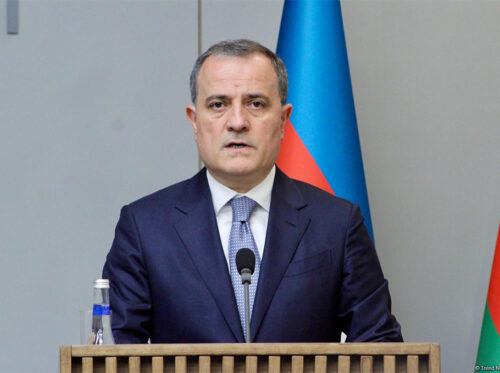
In response, Azerbaijan’s Ministry of Science and Education described his remarks as “an attempt to interfere in the country’s internal affairs.”
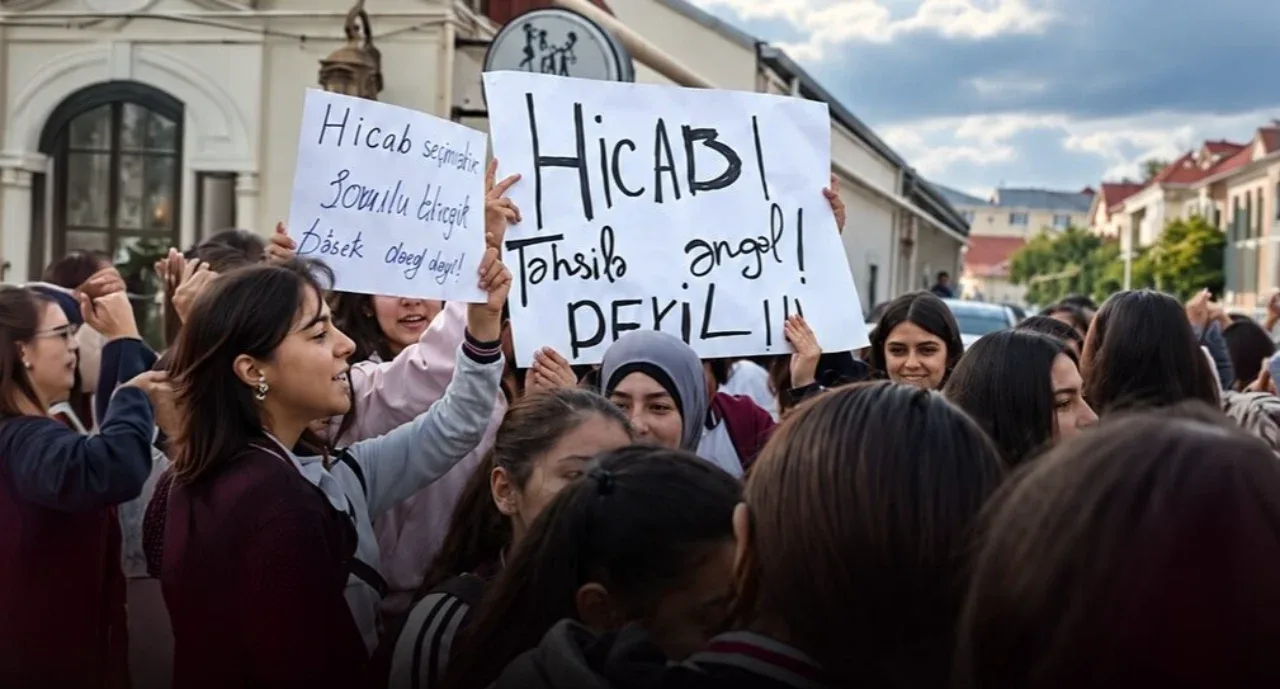
The dispute stems from regulations governing school uniforms in Azerbaijan. Although the rules do not explicitly mention the hijab, some schools have interpreted them as prohibiting students from wearing the Islamic headscarf. Critics warn that the restrictions could undermine girls’ right to education and their freedom to express their religious beliefs. The authorities, meanwhile, justify their approach by citing the principles of uniform school dress codes and secular education.
Iran’s minister presented his offer as an alternative for girls facing difficulties pursuing their education because of restrictions on wearing the hijab. Baku, however, viewed the move as outside interference in a sensitive domestic issue. Azerbaijan’s ministry also responded by raising the issue of access to education in the Azerbaijani language in Iran. According to the ministry, ethnic Azerbaijanis living in Iran have limited opportunities to receive an education in their mother tongue.
The dispute has a broader regional dimension. National identity, religion and the rights of the Azerbaijani-speaking population in Iran are among the sensitive issues affecting relations between the two countries. As a result, the debate over school dress codes has also become an opportunity for both sides to assert their positions on national rights and state sovereignty.
Continued exchanges of accusations could further strain diplomatic relations.
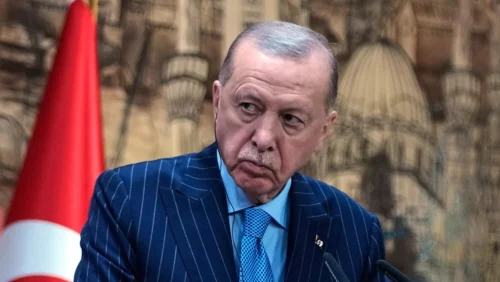
The hijab issue has also caused friction between Turkey and Azerbaijan. Oktay Saral, chief adviser to Turkish President Recep Tayyip Erdogan, has been dismissed from his post. Turkish media have linked his dismissal to his criticism of Azerbaijani authorities over school uniform regulations that restrict the wearing of the hijab.
On October 13, Saral described the ban on wearing the hijab in Azerbaijani schools as unacceptable and called for it to be lifted. Following his remarks, Azerbaijan’s ruling New Azerbaijan Party accused several Turkish politicians of interfering in the country’s internal affairs.
On October 21, Azerbaijan’s Foreign Ministry declared 31 Turkish citizens, including politicians, journalists and bloggers, persona non grata and barred them from entering the country.
The ministry said the decision was prompted by statements the individuals had made on social media and other online platforms that it claimed were directed against Azerbaijan’s sovereignty, national security, constitutional order, people and leadership. It also cited calls for the violent overthrow of the government and the incitement of religious hatred.